YouTube lecture
Immune system disorders in the workplace
Understanding impact, raising awareness, and supporting inclusion
Overview
This recorded lecture explores how immune system disorders affect individuals in the workplace, and what that means for colleagues, teams, and organisations.
Hosted by WIN Access, the EDI staff network at the University of Oxford, this session combines medical expertise and lived experience to take a deeper look at immune system disorders and their impact on staff members.
The lecture provides an accessible introduction to how the immune system functions, what happens when it becomes dysregulated, and how this can shape day-to-day life, interactions, and inclusion in the workplace.
Watch the conference
YouTube Lecture
Immune system disorders in the workplace
The immune system has been at the forefront of our mind for the past year. This seminar provides an introduction on how the immune system works, what happens when things go wrong and what that means for us and our interactions with others.

The sessions
An introduction to the immune system: nature’s great balancing act
The immune system is a complex network of cells and chemicals that work together to isolate, kill and clear infections from invading pathogens like bacteria or viruses. It is highly tuned to detect and respond to pathogens, but also to know when to stop because the infection has been cleared.
In some people, however, this highly tuned system is dysfunctional and the balance of the immune system response can tip. When the immune system over-reacts it can lead to autoimmunity, while infections such as HIV can lead to a reduction in immune responses. This lecture will take you through the basics of the immune response to a pathogen before exploring how a tip in the balance of the immune response in either direction can be detrimental and put people at greater risk of serious infection.
Autoimmunity in academia: a personal perspective
This talk will cover some of the challenges of living with an autoimmune disease, how this has impacted my day-to-day life and career, as well as questioning what can be done both on an individual and institutional level to support students and staff with compromised immune systems.
Meet our speakers
-

Dr. Dannielle Wellington
MRC Weatherall Institute of Molecular Medicine
Dr Dannielle Wellington is a postdoc from the Human Immunology Unit of the MRC Weatherall Institute of Molecular Medicine, working on the immune responses to viral infections such as influenza and SARS-CoV-2. Her current work focuses on how the SARS-CoV-2 virus is processed and presented to effector cells of the immune system, called T cells, leading to targeted killing of infected cells. She previously completed her PhD at the University of Southampton on the autoimmune disease ankylosing spondylitis.
-
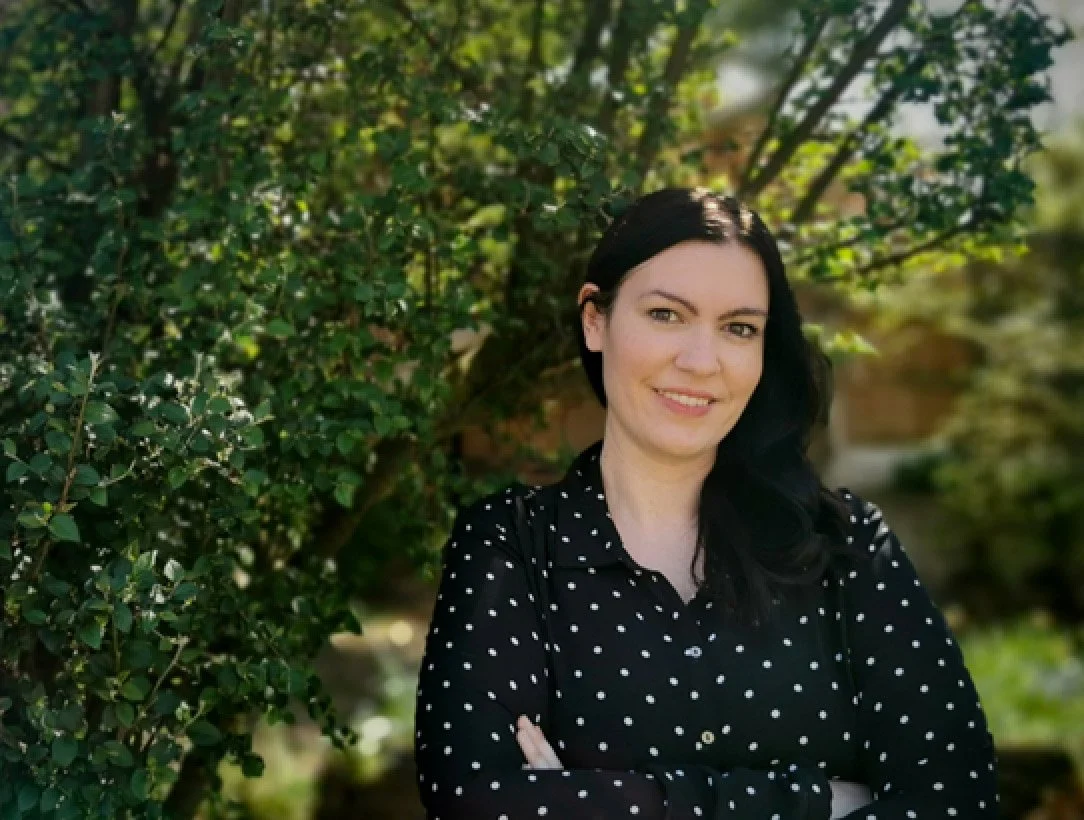
Dr. Paula Croal
University of Nottingham
Dr Paula Croal is currently a research fellow in The Sir Peter Mansfield Imaging Centre at The University of Nottingham focusing on methods development for physiological MRI in brain tumours. Since being diagnosed with a chronic autoimmune disease Paula has become an advocate for disabled academics.
Lecture materials
Additional resources
Here you can find all the additional resources from this lecture.

Immune system disorders
From awareness to action
Understanding immune system disorders is an important step toward creating workplaces that are safer, more inclusive, and more responsive to the needs of disabled staff.
This resource is part of a wider effort to share knowledge, support one another, and create environments where everyone can participate fully.
Supported by











Other resources